

All products are selected by our Smart Flush editors. If you buy something through our links as an Amazon Associate we earn from qualifying purchases.
Whether you’re at home, camping, postpartum, or simply looking to reduce toilet paper use, a squeeze bottle bidet offers an affordable, effective path to superior personal hygiene — no plumber required.
Contents
- What is a Squeeze Bottle Bidet?
- Key Benefits Over Toilet Paper
- What to Look For When Buying
- Best Uses & Who Needs One
- How to Use It Correctly
- Squeeze Bottle vs. Electronic Bidet
- Frequently Asked Questions
What is a Squeeze Bottle Bidet?
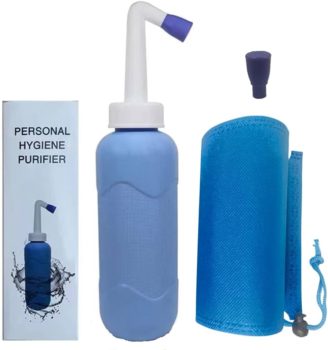
A squeeze bottle bidet — also called a portable bidet bottle, travel bidet, or perineal irrigation bottle — is a handheld, reusable container designed to deliver a controlled stream of water for personal cleansing after using the toilet. Unlike traditional bidet attachments that require installation, these devices are 100% self-contained, requiring no plumbing, batteries, or electricity.
Typically made from BPA-free plastic, a squeeze bottle bidet features an angled or curved nozzle that directs water precisely where needed. You simply fill it with clean water, position the nozzle, and apply gentle pressure to the bottle. The result is a hygienic, refreshing clean that many users describe as far superior to dry toilet paper alone.
Quick definition
A squeeze bottle bidet is a portable, handheld water bottle with a directional nozzle used to cleanse the perineal area after using the toilet — requiring no installation or power source.
Key Benefits of Using a Squeeze Bottle Bidet
The global bidet market has grown rapidly as consumers become more conscious of hygiene, sustainability, and personal health. A portable squeeze bidet sits at the accessible, budget-friendly end of this spectrum — yet delivers measurable benefits.
75%Less toilet paper used on average
$10–$25Typical purchase cost
360°Nozzle rotation on premium models
- Superior cleanliness: Water removes bacteria and residue more effectively than dry wiping, reducing the risk of irritation and infection.
- Gentle on sensitive skin: Ideal for people with haemorrhoids, anal fissures, inflammatory bowel disease, or postpartum recovery.
- Eco-friendly: Significantly reduces toilet paper consumption, lowering your environmental footprint.
- Cost-effective: A one-time purchase under $25 can save hundreds in annual toilet paper costs.
- Travel-ready: Fits in any bag, backpack, or hospital bag — perfect for camping, travel, and on-the-go hygiene.
- No installation needed: Renters, travellers, and anyone in a shared bathroom can use it instantly.
What to Look For When Buying a Squeeze Bottle Bidet
Not all portable bidet bottles are created equal. Knowing what features matter will help you choose a model that truly works for your lifestyle and anatomy.
Nozzle design and angle
Look for a bottle with an angled or upward-curved nozzle — often called a perineal bottle or peri bottle. This design allows gravity to work with you rather than against you, making it far easier to direct water to the correct area without excessive contortion. Some models include interchangeable nozzle heads for front and rear cleansing.
Bottle capacity
Most squeeze bottle bidets hold between 350ml and 600ml of water. A larger capacity (500ml+) means fewer refills per use, which is more practical for thorough cleansing. For travel, a compact 380ml bottle slips easily into a carry-on or day bag.
Material quality and BPA-free construction
Always choose a bottle made from food-grade, BPA-free HDPE or LDPE plastic. This ensures the bottle is safe for skin contact, odour-resistant, and durable enough for daily long-term use. Some premium models use silicone nozzles for added comfort.
Ease of squeeze
The bottle’s squeezability determines water pressure. Softer bottles produce a gentler, wider stream — preferable for postpartum care. Firmer bottles allow more control and a stronger stream for thorough cleaning. Models with a controlled-flow nozzle give you the best of both worlds.
Leak-proof lid and portability
A watertight lid is non-negotiable for travel. Look for a screw-on cap or flip-top lid that seals completely. Bonus points for a clip, carrying loop, or storage pouch included with the bottle.
Best Uses and Who Needs a Squeeze Bottle Bidet
The versatility of a portable bidet bottle makes it one of the most broadly useful hygiene tools available. Here are the most common use cases:
- Postpartum recovery: Hospitals routinely recommend peri bottles for new mothers to gently cleanse the perineum after vaginal delivery, reducing discomfort and infection risk.
- Haemorrhoid relief: Warm water irrigation soothes inflamed tissue far better than abrasive toilet paper.
- Camping and outdoor travel: When facilities are unavailable, a filled squeeze bottle bidet provides dignified, hygienic cleansing anywhere.
- Post-surgery care: Anyone recovering from colorectal, urological, or gynaecological procedures benefits enormously from gentle water cleansing.
- Elderly care: Caregivers use portable bidets to maintain hygiene for elderly or mobility-impaired individuals with minimal disruption.
- Renters and students: No plumbing access? A squeeze bottle bidet is the perfect no-install upgrade to any bathroom.
How to Use a Squeeze Bottle Bidet Correctly
Step-by-step guide
1. Fill the bottle with clean, comfortably warm water. 2. Remain seated on the toilet. 3. Position the angled nozzle beneath you, directed toward the area to cleanse. 4. Squeeze the bottle gently and steadily. 5. Pat dry with a small amount of toilet paper or a dedicated cloth. 6. Rinse the bottle and nozzle after each use and allow to air dry.
Squeeze Bottle Bidet vs. Electronic Bidet: Which is Right for You?
Electronic bidet seats and attachments offer advanced features like heated water, air drying, and programmable pressure settings — but they cost $80–$800 and require a power outlet and installation. A squeeze bottle bidet costs under $25, requires zero installation, works anywhere, and is just as effective for the core purpose of water cleansing. For most people — especially those starting out, travelling, or renting — the portable option wins on every practical dimension.
Frequently Asked Questions
Is a squeeze bottle bidet hygienic to reuse?
Yes, provided you rinse the bottle and nozzle thoroughly with clean water after each use and allow it to air dry. Avoid sealing the cap while wet, which can encourage microbial growth. Replace the bottle every 6–12 months or sooner if discolouration appears.
Can I use warm water in a squeeze bottle bidet?
Absolutely. Warm water is recommended — particularly for postpartum care or haemorrhoid relief — as it is more soothing than cold water. Fill from your bathroom tap to your preferred temperature before use.
How is a squeeze bottle bidet different from a travel bidet?
The terms are often used interchangeably. Technically, “travel bidet” can also refer to battery-powered electric models that produce a motorised stream. A squeeze bottle bidet is the manual, non-electric version — simpler, lighter, and lower-cost.
Will I still need toilet paper?
Most users use a small amount of toilet paper or a dedicated reusable cloth to pat dry after rinsing. Compared to conventional use, paper consumption drops dramatically — typically by 70–80%.
Are squeeze bottle bidets safe for children?
Yes. A gentle squeeze and lukewarm water is perfectly safe for children. They are commonly used in nappy-free toddler hygiene routines and recommended by paediatric nurses for sensitive skin.

- CLEAN AND REFRESHING: With Brondell’s Ecoseat 101 Bidet, you’ll experience a soothing, freshwater wash that leaves you feeling clean and rejuvenated. Plus, this economical bidet requires no electricity or batteries.
- HIGH-QUALITY PARTS: Enjoy dual nozzles for rear and front washes, a gentle closing seat, and sturdy, sittable lid.
- EASY INSTALLATION: This elongated bidet toilet seat measures 20. 03” x 14. 39” x 2. 55” and can easily be self-installed in minutes—no plumbers necessary!