

All products are selected by our Smart Flush editors. If you buy something through our links as an Amazon Associate we earn from qualifying purchases.
If you’ve ever wondered whether you can upgrade your existing bathroom setup without tearing out plumbing or spending thousands of dollars, the answer is a resounding yes. An attachment to turn your toilet into a bidet is one of the most practical and cost-effective home upgrades available today. In this guide, we’ll walk you through everything you need to know — from how these devices work to what features to look for before you buy.
What Is a Toilet-to-Bidet Attachment?
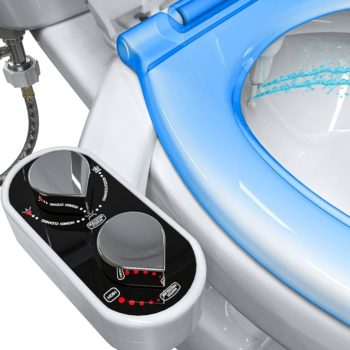
A bidet toilet attachment is a thin, non-electric or electric device that slides between your existing toilet bowl and toilet seat. It connects directly to your bathroom’s cold water supply line — or both hot and cold lines, depending on the model — using a T-valve diverter. Once installed, it delivers a controlled stream of water for personal hygiene, replacing or significantly reducing your reliance on toilet paper.
Unlike a full bidet fixture, which requires dedicated plumbing and significant bathroom space, a bidet seat attachment works with virtually any standard elongated or round toilet. It’s a retrofit solution designed for renters and homeowners alike.
Why More People Are Switching
The global shift toward bidet use has accelerated in recent years, driven by a combination of environmental awareness, hygiene preferences, and cost savings. Consider the following:
- Environmental impact: The average person uses nearly 100 rolls of toilet paper per year. A bidet toilet seat attachment dramatically cuts that number.
- Improved hygiene: Water cleaning is widely considered more effective than wiping alone, especially for individuals with sensitive skin, hemorrhoids, or mobility limitations.
- Long-term savings: While the upfront cost of a toilet bidet conversion kit ranges from around $30 for a basic model to several hundred dollars for a premium unit, the reduction in toilet paper spending typically recoups the investment within months.
- Post-surgical comfort: Medical professionals often recommend gentle water cleansing for patients recovering from certain procedures.
Types of Bidet Toilet Attachments
Before purchasing a bidet conversion kit, it helps to understand the main categories available on the market.
Non-Electric Bidet Attachments
These are the simplest and most affordable option. They connect only to the cold water supply line and use water pressure alone to operate the nozzle. Most feature a single control knob on the side to adjust water pressure and spray angle. Non-electric attachments are ideal for renters or anyone looking for a no-fuss installation.
Dual-Temperature Bidet Attachments
A step up from the cold-water-only model, dual-temperature attachments connect to both the hot and cold water supply lines beneath your sink or toilet. They include separate controls for temperature adjustment, making the experience far more comfortable — especially in winter.
Electric Bidet Seat Attachments
These replace your current toilet seat entirely and include an onboard heating element for water and seat warming. Features often include an air dryer function, adjustable spray modes (rear wash, feminine wash, oscillating spray), deodorizer, and a remote control or side panel. Electric models are the most feature-rich type of toilet-to-bidet conversion attachment, but they require a nearby grounded electrical outlet.
Key Features to Look For
When comparing bidet toilet attachments, these are the specifications worth evaluating carefully:
Nozzle design and self-cleaning function: Look for a retractable nozzle that rinses itself before and after each use. This is a basic hygiene requirement, not a premium feature.
Spray pressure control: Adjustable water pressure is essential. Some models offer dual nozzles — one for posterior washing and one positioned for feminine hygiene — with independent pressure settings.
Compatibility with your toilet shape: Measure your toilet before purchasing. Most attachments are designed for both elongated and round bowls, but some fit only one shape.
Mounting bracket quality: High-quality stainless steel or durable ABS plastic mounting plates are more reliable than thin polymer versions. Check that the bracket accommodates your existing toilet seat hinge spacing.
Toilet bidet conversion kit components: A well-packaged kit should include the T-adapter, a braided supply hose, the attachment plate, and all mounting hardware. You should not need any special plumbing tools.
How to Install a Bidet Attachment (Step-by-Step Overview)
Installing a toilet bidet converter is a straightforward DIY project that most people can complete in under 30 minutes.
- Turn off the water supply using the shut-off valve located behind or beneath your toilet.
- Flush the toilet to empty the water from the tank and bowl.
- Disconnect the existing supply hose from the bottom of the tank.
- Attach the T-valve diverter between the shut-off valve and the tank supply inlet.
- Reconnect the supply hose from the T-valve to the toilet tank, and connect the new bidet supply hose from the T-valve to the attachment.
- Remove your toilet seat by unscrewing the hinge bolts, slide the bidet attachment plate into position, and reinstall the seat on top of it.
- Turn the water supply back on, check for leaks, and test the spray.
No soldering, no major plumbing work, and no contractor required.
Common Questions About Toilet Bidet Conversions
Will a bidet attachment fit my toilet? The vast majority of bidet attachment kits are designed for standard two-piece toilets with accessible water supply lines. One-piece toilets with limited clearance at the rear may require an extended bracket or a specific attachment model.
Is cold water uncomfortable? Initial cold water spray can feel jarring, particularly in cooler climates. However, the discomfort fades quickly — and most users adapt within a few uses. If temperature sensitivity is a concern, choose a dual-temperature or electric model.
Can a bidet attachment cause leaks? When properly installed using the included hardware, leaks are rare. Always hand-tighten the T-valve and supply hose connections, then snug them an additional quarter-turn with a wrench. Inspect connections after the first 24 hours of use.
Do bidet attachments work with well water? Yes, though users with hard water may notice mineral buildup on the nozzle over time. Regular cleaning and an occasional white vinegar soak will keep the nozzle operating correctly.
An attachment to turn your toilet into a bidet is one of the most underrated home upgrades you can make. Whether you choose a simple non-electric cold-water model or a fully featured electric bidet seat with heated water and a remote control, the benefits — improved hygiene, reduced toilet paper consumption, and long-term cost savings — are real and measurable.
The installation is genuinely accessible to anyone willing to spend half an hour in their bathroom, and the upgrade pays for itself faster than most people expect. If you’ve been on the fence about making the switch, the bidet toilet conversion kit market has matured enough that there is a reliable, well-featured option at virtually every price point.

- CLEAN AND REFRESHING: With Brondell’s Ecoseat 101 Bidet, you’ll experience a soothing, freshwater wash that leaves you feeling clean and rejuvenated. Plus, this economical bidet requires no electricity or batteries.
- HIGH-QUALITY PARTS: Enjoy dual nozzles for rear and front washes, a gentle closing seat, and sturdy, sittable lid.
- EASY INSTALLATION: This elongated bidet toilet seat measures 20. 03” x 14. 39” x 2. 55” and can easily be self-installed in minutes—no plumbers necessary!